Vehicle Safety Technology Guide: Modern Features That Save Lives
A clear-eyed guide to car safety technology features in 2026 — what works, what to look for, and how Clear Lake drivers can choose wisely.
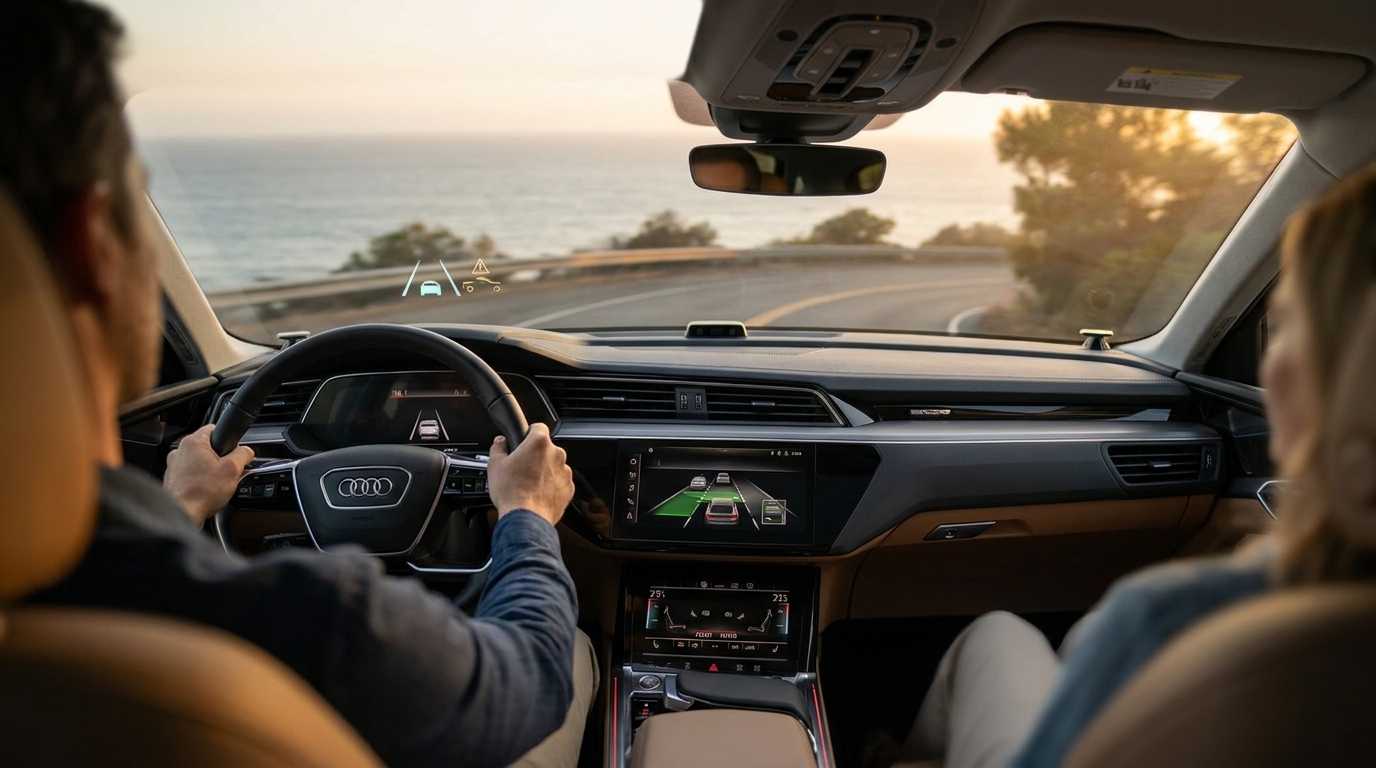
If you've shopped for a new vehicle recently, you've probably noticed that the safety conversation has changed. It's no longer just about airbags and anti-lock brakes. Today's cars actively watch the road, monitor your blind spots, and intervene when a collision is imminent. For drivers navigating I-45 traffic between Clear Lake and downtown Houston, or weaving through the NASA Parkway corridor on a humid Friday evening, that shift matters.
This guide breaks down the car safety technology features that genuinely reduce crashes, what to prioritize when you're shopping, and how to evaluate whether a vehicle's safety suite fits the way you actually drive.
Why Vehicle Safety Systems Matter More in 2026
Modern vehicle safety systems are no longer optional luxuries reserved for premium trims. Federal regulators and major automakers have moved aggressively to standardize automatic emergency braking, lane-keeping assistance, and forward-collision warning across nearly every new vehicle sold in the U.S. The reason is simple: these systems work. Real-world insurance data continues to show meaningful reductions in rear-end crashes, pedestrian injuries, and lane-departure incidents on vehicles equipped with active driver-assistance suites.
For Clear Lake drivers, the practical context is specific. Gulf Coast humidity, sudden thunderstorms during hurricane season, and heavy commuter traffic on the Gulf Freeway and Bay Area Boulevard create exactly the conditions where driver-assist features earn their keep — limited visibility, unpredictable braking patterns, and long stretches of stop-and-go congestion.
Auto Safety Features Explained: The Core Technologies
Here's what the major car safety technology features actually do, and why each one earns its place on a modern vehicle.
Automatic Emergency Braking (AEB)
AEB uses forward-facing cameras and radar to detect an imminent collision and apply the brakes if you don't react in time. Current systems also recognize pedestrians and cyclists — a meaningful capability for anyone driving near the Kemah Boardwalk or through the Clear Lake Shores residential streets where foot traffic is common.
Forward Collision Warning
This is the audible and visual alert that precedes AEB. It gives you the chance to brake yourself before the car intervenes. Tuning matters here: a system that's too sensitive becomes background noise, and one that's too conservative warns too late.
Blind Spot Monitoring
Radar sensors in the rear bumper watch the lanes beside you and illuminate a warning in your side mirror when a vehicle is hidden in your blind spot. On the I-45 merge into Houston, where lane changes happen at speed and visibility is often compromised by larger trucks, this is one of the features drivers tell us they miss most when they go without it.
Lane-Keeping Assist and Lane Departure Warning
Lane departure warning alerts you when you're drifting; lane-keeping assist gently steers you back. The better implementations feel like a light correction rather than a tug on the wheel. For long highway stretches between Clear Lake and Galveston, these systems reduce fatigue-related drift incidents.
Adaptive Cruise Control
Adaptive cruise maintains a set following distance from the vehicle ahead, slowing and accelerating automatically. Stop-and-go versions handle traffic jams without intervention from the driver — a significant quality-of-life improvement on the daily commute up NASA Road 1.
Rear Cross-Traffic Alert
When you're backing out of a parking spot — say, at Baybrook Mall on a Saturday — rear cross-traffic alert warns you of vehicles approaching from either side before they enter your sightline. Many systems now include automatic braking if you don't respond.
360-Degree Camera Systems
Surround-view cameras stitch together feeds from multiple cameras to give you a top-down view of your vehicle. Particularly useful in tight parking situations and for drivers piloting larger SUVs.
Car Crash Prevention Technology: What Actually Works
Not every advertised feature delivers equal value. Based on what we see day to day at the dealership, the car crash prevention technology that consistently delivers meaningful safety improvement falls into three tiers.
Tier one — non-negotiable. Automatic emergency braking with pedestrian detection, forward collision warning, and blind spot monitoring. These three features address the most common crash types: rear-end collisions, pedestrian strikes, and lane-change incidents.
Tier two — strongly recommended. Adaptive cruise control, lane-keeping assist, and rear cross-traffic alert. These reduce fatigue and prevent the kinds of low-speed mistakes that account for a large share of insurance claims.
Tier three — situationally valuable. Driver attention monitoring, traffic sign recognition, evasive steering assist, and night vision. Worth having if they're bundled into a package you're already considering, but rarely a reason to upsize a trim by themselves.
Volkswagen's IQ.DRIVE suite, available across much of the current lineup, packages the tier-one and most tier-two features together — which is part of why we frequently steer safety-conscious shoppers toward it during a test drive.
How to Evaluate Safety Technology When Shopping
Specs sheets only tell you so much. When you're test-driving, pay attention to a few things the brochure won't capture.
- How does the system communicate? Are warnings clear and well-timed, or do they startle you? Calibration varies meaningfully between automakers.
- Does adaptive cruise feel natural? Some systems brake harder than necessary. Others accelerate sluggishly. The only way to know is to try it in real traffic.
- Can you turn features off when needed? Lane-keeping assist on a narrow construction zone or a back road with faded paint can be more annoyance than help. The best systems let you adjust sensitivity easily.
- How well does the camera perform at night and in rain? Gulf Coast weather is the real-world test. Ask to see camera quality after dark or during a downpour if you can.
Frequently Asked Questions
Are advanced safety features worth the extra cost on higher trims?
For most buyers, yes — particularly when the package includes automatic emergency braking, blind spot monitoring, and adaptive cruise control. The insurance savings alone often offset part of the trim upgrade over the life of the loan, and the crash-avoidance value is real.
Do these systems replace attentive driving?
No. Every driver-assist system on the market in 2026 is designed to support an attentive driver, not substitute for one. Treat them as a safety net, not autopilot.
Will safety technology features increase my insurance premium?
Generally the opposite. Most insurers offer discounts for vehicles equipped with verified active safety features, though the specific discount varies by carrier. Ask your insurer for a quote on a specific VIN before you buy.
How often do these systems need calibration?
Sensors and cameras can require recalibration after a windshield replacement, a front-end collision, or certain suspension work. Service departments familiar with the brand handle this routinely — it's worth confirming the shop you use is equipped for it.
What if I'm buying used?
Vehicles from roughly 2026 forward typically include a meaningful subset of these features, though specific availability varies by trim. Check the window sticker or VIN-decoded equipment list rather than relying on a generic model description.
Can these systems work reliably in heavy rain or fog?
Most radar-based features — like automatic emergency braking and blind spot monitoring — perform reasonably well in rain because radar penetrates moisture. Camera-dependent features such as lane-keeping assist and surround-view systems can degrade in heavy downpour or dense fog. On the Gulf Coast, this is a practical consideration worth testing before you buy.
Do driver-assist features work the same across all trim levels of the same model?
Not always. Automakers sometimes reserve the full suite — particularly adaptive cruise with stop-and-go capability and evasive steering assist — for mid or upper trims. Always confirm which specific features are included in the exact trim you're considering, and ask the sales team to demonstrate each one before signing.
Choosing the Right Vehicle for Your Driving Reality
The truth about car safety technology features is that the best system is the one that fits how and where you actually drive. A long Clear Lake-to-Houston commuter benefits most from adaptive cruise and lane-keeping. A parent shuttling kids around El Lago and Seabrook needs strong rear cross-traffic alert and pedestrian detection. A weekend driver heading down to Galveston wants a system that doesn't fight them on two-lane coastal roads.
Volkswagen's current lineup — from the Jetta and Taos through the Atlas and ID.4 — packages these technologies in ways that scale to those different use cases, which is why we tend to walk shoppers through real driving scenarios rather than feature checklists.
Drivers in Clear Lake who want to compare safety suites in person, ask specific questions about IQ.DRIVE configurations, or test how these systems feel on familiar roads can visit Volkswagen of Clear Lake at vwofclearlake.com to schedule a test drive or speak with the team. The right safety technology is the kind you forget is there until the moment it matters — and the only way to find that fit is behind the wheel.